
 In today’s digital age, coding has become more than just a technical skill, it’s a foundational tool for learning, creativity, and future career opportunities. Learning to code helps children and teenagers develop problem-solving skills, logical thinking, and analytical reasoning, abilities that transfer beyond technology into everyday life and academic success.
Eldoret, traditionally known for agriculture and athletics, is rapidly emerging as a regional centre for technology and innovation. Local initiatives like EldoHub are providing STEM training and digital skills development to youth and adults, positioning the city as a breeding ground for future tech talent.
This updated 2026 guide helps parents and learners in Eldoret navigate the best coding education options available for kids and teens. We will also discuss why Coding for Kids and Teens matters, the benefits of early coding education, Logical thinking & problem-solving, Creativity and innovation, Preparation for future careers, Global demand for tech talent, and how coding skills help in school and beyond.
Take your first step into development and register for a free coding class.
Why Coding Matters for Kids and Teens
Coding is no longer just for programmers, it is a life skill that equips children and teens with the mindset needed to succeed in a digital world. From education to future careers, coding builds essential skills that go far beyond writing lines of code.
As Kenya continues implementing the Competency-Based Curriculum, many parents and school leaders are asking whether coding is officially included, an issue we explore in detail in Is Coding Part of the CBC Curriculum? What School Heads Should Know.
Benefits of Early Coding Education
Introducing coding at a young age helps children develop confidence with technology instead of being intimidated by it. Early exposure allows learners to progress naturally from simple concepts to more advanced problem-solving skills as they grow. It also nurtures curiosity and encourages independent learning.
Logical Thinking & Problem-Solving
Coding teaches kids how to break down complex problems into smaller, manageable steps. Through debugging and testing, students learn patience, attention to detail, and structured thinking. These logical skills are useful in subjects like mathematics, science, and even daily decision-making.
Creativity and Innovation
Contrary to popular belief, coding is highly creative. Kids and teens can design games, build websites, create animations, and develop apps that bring their ideas to life. This creative freedom empowers learners to become creators of technology, not just consumers.
Preparation for Future Careers
Many future careers, both technical and non-technical, will require some level of digital literacy. Coding builds a strong foundation for careers in software development, engineering, data science, robotics, digital marketing, and entrepreneurship. Even careers outside tech benefit from coding-related skills like automation and data analysis.
Global Demand for Tech Talent
The demand for tech-skilled professionals continues to rise worldwide. Countries are investing heavily in digital skills education to prepare the next generation for the global workforce. By learning to code early, kids and teens gain a competitive advantage in both local and international opportunities.
How Coding Skills Help in School and Beyond
Coding supports academic performance by strengthening critical thinking, problem-solving, and teamwork skills. It also promotes resilience, students learn that mistakes are part of learning. Beyond school, coding helps young people adapt to technology, think independently, and confidently solve real-world problems.
What to Look for in a Coding School
Choosing the right coding school can make a big difference in how much your child learns and enjoys the experience. Here are the key factors to consider when evaluating coding programs in Eldoret:
1. Curriculum Quality (Beginner to Advanced Levels)
A strong coding curriculum should be well-structured, age-appropriate, and progressive. For younger learners, this may include simple block-based coding that builds foundational logic. For older kids and teens, look for courses that advance toward text-based languages like Python, JavaScript, or HTML/CSS. The curriculum should be clear on learning goals, skills gained, and expected outcomes.
2. Experienced Instructors
Great teachers make a big difference. Look for programs led by experienced instructors who not only understand coding but know how to teach kids and teens effectively. Instructors should be patient, supportive, and able to explain concepts in simple, engaging ways. Prior teaching experience, especially with young learners, is a strong plus.
3. Hands-On Projects & Portfolio Building
The best way to learn coding is by doing. A quality program should include plenty of hands-on projects that allow students to build real applications, games, or websites. These projects become part of a student’s portfolio, something they can show to teachers, friends, or future employers.
4. Class Size and Learning Environment
Smaller class sizes typically mean more individual attention and faster progress. A supportive, interactive learning environment helps students feel comfortable asking questions and experimenting with code. Whether classes are in-person or online, ensure the setting encourages collaboration and active participation.
5. Flexibility (Weekend, Holiday Intensives, Online Options)
Families often need flexibility around school and other activities. Look for programs that offer weekend classes, holiday bootcamps, and online or hybrid options. This flexibility makes it easier for kids and teens to learn consistently without feeling overwhelmed.
6. Accreditation or Partnerships
While not all coding schools are officially accredited, partnerships with recognized tech organizations, schools, or certification bodies can be an indicator of quality. Accreditation or industry connections may also give students access to competitions, internships, or certificates that add value to their learning.
Top Coding Schools in Eldoret (2026 Update)
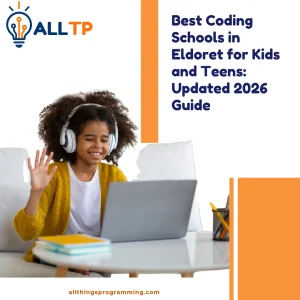 All Things Programming is recognized as the first online coding school in Eldoret, offering flexible, high-quality coding programs for kids and teens. Alongside other local and regional programs, it provides accessible learning opportunities for young tech enthusiasts. For some offerings that are not Eldoret-based but accessible online or hybrid, we’ve noted that too.
1. All Things Programming
First Online Coding School in Eldoret
Overview & Mission:
All Things Programming aims to make coding accessible to kids and teens in Eldoret and across Kenya through interactive online classes. Their programs emphasize hands-on learning, creativity, and practical project-building to prepare students for future tech careers.
Age Groups Served:
5–18 years, with age-appropriate programs from beginner block coding to advanced Python and web development.
Key Programs & Duration:
- Weekly online coding classes (1–2 hours per session)
- Holiday coding bootcamps
- Project-based learning modules
Curriculum Highlights:
- Scratch and block coding for beginners
- Python fundamentals for intermediate learners
- Web development (HTML, CSS, JavaScript) for teens
- Real-world projects and portfolio development
Fees & Schedules:
- Flexible payment plans available
- Classes typically held on weekends and during school holidays
Unique Features:
- Fully online, allowing participation from anywhere in Eldoret
- Mentorship and coding support from experienced instructors
- Certificates awarded upon course completion
Contact / Enrollment:
Visit: All Things Programming
Email: info@allthingsprogramming.com
2. Eldohub
Overview & Mission:
Eldohub is a well-known innovation and education centre in Eldoret focused on empowering youth with digital skills, entrepreneurship, and technology learning. It often hosts tech workshops, coding sessions, and STEM events that benefit learners of all ages.
Age Groups Served:
Kids and teens (typically 8–18), but specific programs vary by intake.
Key Programs & Duration:
- Coding and digital skills workshops (short modules)
- Tech clubs and hackathons (intermittent events)
- School holiday camps and intensive sessions
Curriculum Highlights:
- Basic to intermediate coding
- Robotics and problem-solving activities
- Digital literacy and tech project showcases
Fees & Schedules:
Details vary depending on the program, often announced ahead of each session. Contact the hub for the latest calendar.
Unique Features:
- Local tech community hub with mentoring
- Regular networking opportunities and events
- Focus on practical project creation
3. Kids Coding Camp (Wayvarn Digital – Eldoret)
Overview & Mission:
A focused coding camp in Eldoret that introduces children to programming fundamentals with hands-on projects and guided instruction.
Age Groups Served:
8–16 years.
Key Programs & Duration:
- Monthly coding sessions every Saturday
- Duration: 1-month programs
- Both online and physical participation options available.
Curriculum Highlights:
- Scratch block coding basics
- Introduction to Python and basic scripts
- Practical projects like games and tools that solidify learning.
Fees & Schedules:
- KSh 7,500 per child per month
- Saturdays, 10:00 AM – 1:00 PM (in person & via Zoom)
Unique Features:
- Project-focused learning that builds confidence
- Hands-on activities with real code outputs
- Blended learning (online/in-person).
4. Teens Code Africa (Coding Camp / Workshops)
Overview & Mission:
Teens Code Africa offers structured coding camp formats aimed at helping kids and teens build real coding skills in a fun, engaging way.
Age Groups Served:
Typically 8-16+ years, with tailored sessions for younger and older learners.
Key Programs & Duration:
- Online and in-person classes
- Multiple weekly sessions
- Short course segments (e.g., 6 sessions, 45 mins each)
Curriculum Highlights:
- HTML and web basics
- Block coding, animation, and beginner projects
- Progressive challenges to build logical and creative skills
Fees & Schedules:
Schedules and fees vary by program; contact to confirm current details.
Unique Features:
- Certification on completion
- Blend of theory and practical project work
- Supportive learning community with mentorship
Coding Programs by Age Group
To help parents choose the right fit, here’s a breakdown of coding pathways by age, with common languages, tools, and learning outcomes for each stage:
Ages 5-8: Introduction to Basics
At this stage, coding should be playful, visual, and interactive, focusing on foundational thinking rather than syntax.
What they learn
- Block-based coding: Tools like Scratch Jr, Blockly, or visual puzzles help kids drag and snap commands together.
- Logic games and puzzles: Activities that develop sequencing, patterns, and cause-and-effect thinking.
- Basic algorithms: Understanding the idea of steps and instructions in a fun way.
Typical outcomes
Kids learn how to think logically
They build simple animations and stories
Confidence with technology increases
Example projects: Animated stories, sprite movement games, simple interactive scenes.
Ages 9-12: Interactive Coding
This is the ideal age for hands-on coding that introduces real programming concepts while still being fun and visual.
What they learn
- Scratch (advanced): More complex games and interactive stories.
- Intro to Python fundamentals: Basic text-based coding with simple syntax (optional or blended).
- Computational thinking: Loops, conditionals, variables, and debugging.
Tools & platforms
Scratch, Tynker, Code.org, Python (beginner environments like Mu or Trinket).
Typical outcomes
Students build playable games
They understand real program structures
They begin to think like programmers
Example projects: Quiz games, maze games, simple Python scripts (e.g., number guessing games).
Teens 13-18: Advanced Courses
Teens are ready for structured programming languages and real-world applications that can feed into portfolios, contests, and future careers.
What they learn
- Python: Intermediate topics like functions, data handling, and simple automation.
- JavaScript & Web Development: Building interactive websites with HTML, CSS, and JavaScript.
- App development basics: Intro to mobile/web app logic, UI design, and frameworks (depending on program).
- Computer science foundations: Algorithms, data structures (intro level), and problem-solving strategies.
Tools & platforms
Python, Visual Studio Code, Replit, Glitch, web dev environments.
Typical outcomes
Functional websites and apps
Portfolios for school, clubs, or internships
Preparation for higher-level computer science
Example projects: Personal websites, interactive web apps, Python utilities, basic mobile app prototypes.
Tips for Parents: Supporting Your Child’s Coding Journey
Let kids explore in ways that feel like play at early ages.
Encourage project sharing (with family or classmates).
Support consistency, short, regular practice beats long, occasional sessions.
Helping your child succeed in coding doesn’t stop at enrollment. With the right support at home and careful planning, you can make learning both effective and enjoyable.
1. Choose the Right Program Based on Your Child’s Interests
Every child learns differently, so match the program to their personality, learning style, and goals:
Start with their interests:
- Loves games and storytelling? Try game design or Scratch.
- Curious about websites/apps? Look for HTML/CSS/JavaScript programs.
- Wants creative tech with visuals? Animation and block coding are great fits.
Match content to age and skill level:
- Ages 5-8: Foundational play-based coding (e.g., Scratch Jr, logic games)
- Ages 9-12: Interactive projects and introductory text coding
- Teens: Advanced programming, web development, app logic
Trial classes help: Many schools offer free or low-cost trial sessions, use these to see how your child responds before committing.
2. Scheduling & Balancing with Schoolwork
Coding should enhance, not overwhelm, your child’s routine.
Start small:
Begin with short, regular sessions e.g., 1–2 classes per week, so your child stays engaged without burning out.
Use a family calendar:
Block out schoolwork, homework, extracurriculars, and coding classes to avoid clashes.
Prioritize consistency over intensity:
Short, regular practice (e.g., 30–45 minutes most days) helps learning stick better than long, infrequent sessions.
Stay flexible:
During exams or heavy school periods, scale back coding hours so your child manages stress well.
3. Encouraging Consistent Practice at Home
Practice outside class is where learning truly clicks.
Create a coding space:
A quiet, distraction-free place with a computer/tablet makes it easier to focus.
Celebrate small wins:
Encourage your child when they fix a bug, finish a level, or launch a project, even tiny progress matters.
Pair coding with creativity:
Ask them to explain what they’re building or show you their projects, it builds communication skills and pride.
Be curious, even if you’re not a coder:
You don’t need to be an expert. Simple questions like “What did you build today?” show support and interest.
Encourage project sharing:
Let your child present projects to family or peers, boosts confidence and accountability.
4. Recommended Resources (Free & Paid)
Here are tools and platforms you can use at home:
Free Resources
- Scratch (MIT): Blocks-based platform for games and animations – beginner-friendly and perfect for ages 5–12.
- Code.org: Free, guided coding lessons and activities for all ages.
- Khan Academy (Computing): Intro web programming and computer science concepts.
- GitHub Student Pack: (For older teens) Free access to developer tools and resources.
Paid Resources
- Tynker: Structured coding courses with guided learning and projects (good for ages 7–12+).
- Codecademy: Interactive lessons for teens ready for text-based languages like Python and JavaScript.
- Udemy / Coursera: Affordable courses that build skills step by step in web dev, Python, app logic, AI, and more.
- Local coding camps & workshops: (e.g., programs listed earlier in this guide), focused instruction and community support.
Final Parenting Tips
Be patient and positive. Learning to code can be challenging, encouragement goes a long way.
Let learning be fun, not forced. If a topic feels frustrating, try another approach or break it up.
Keep exploring together. Coding can be a family activity, especially for younger kids!
Frequently Asked Questions (FAQs)
What is the best age to start coding?
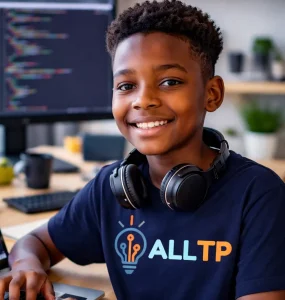 There’s no single “perfect” age, but many experts and educators recommend introducing kids to coding concepts as early as ages 5–7 using visual, play-based tools like block-based coding (e.g., Scratch Jr).
These tools build logic and problem-solving skills in a way that feels fun and intuitive for young learners. As children grow, they can transition to text-based languages like Python and JavaScript that build more advanced skills suited for older students and teens.
Are online coding classes as effective as in-person classes?
Yes, both online and in-person coding classes can be effective, and the best choice depends on your child’s learning style and family schedule:
Online classes
- Offer flexibility in timing and location, kids can learn from home without travel time.
- Often cost less than in-person programs.
- Can still provide high-quality instruction and projects if well designed.
In-person classes
- Provide face-to-face interaction with teachers and peers, which can benefit collaboration and motivation.
- May offer structured environments and hands-on support, especially helpful for younger learners.
Many programs now also use hybrid models, combining the best of both formats.
How much do coding programs cost in Eldoret?
Costs vary depending on program type, duration, and delivery mode:
Short holiday camps or weekend classes often range from around KES 5,000 – KES 20,000 per session or bootcamp in Kenya.
Ongoing term-based courses can vary depending on curriculum depth, with some community workshops being more affordable and others pricing higher based on materials and instructor expertise.
Online coding classes often provide lower cost options or subscription models compared to full in-person programs. Take your first step into development and register for a free coding class.
Because prices change by provider and schedule, it’s best to contact schools directly for up-to-date fee details.
Do coding schools help with certifications or career mentorship?
Many coding programs for kids and teens offer certificates of completion that can be added to school portfolios or applications. Some structured programs (online or hybrid) provide formal certificates or badges at the end of courses. For example, platforms like Teckid Kenya provide certificates and ongoing mentor access as part of their curriculum.
While early coding programs focus on foundational skills rather than direct career placement, some advanced bootcamps and mentoring programs may include:
- Mentorship and guidance from instructors
- Project portfolio building
- Connections to competitions and communities
- Advice on future learning paths and tech careers
When choosing a school, ask whether they provide certificates, mentorship, or support transitioning to more advanced classes.
To conclude, Coding education is no longer a luxury, it is a powerful investment in a child’s future. As technology continues to shape how we learn, work, and communicate, equipping kids and teens with coding skills helps them develop confidence, creativity, and problem-solving abilities that will serve them for life..
This 2025 guide has highlighted what to look for in a quality coding school, reviewed available programs, and shared practical tips for parents to support learning at home. The next step is to explore, ask questions, and choose a program that aligns with your child’s curiosity and goals.
With technology shaping nearly every career path, it’s clear why many educators now agree that digital skills are essential, something we expand on in Why Every Kenyan School Needs a Coding Program in 2025. By encouraging coding today, you are helping your child become not just a user of technology, but a creator and problem-solver in tomorrow’s digital world.