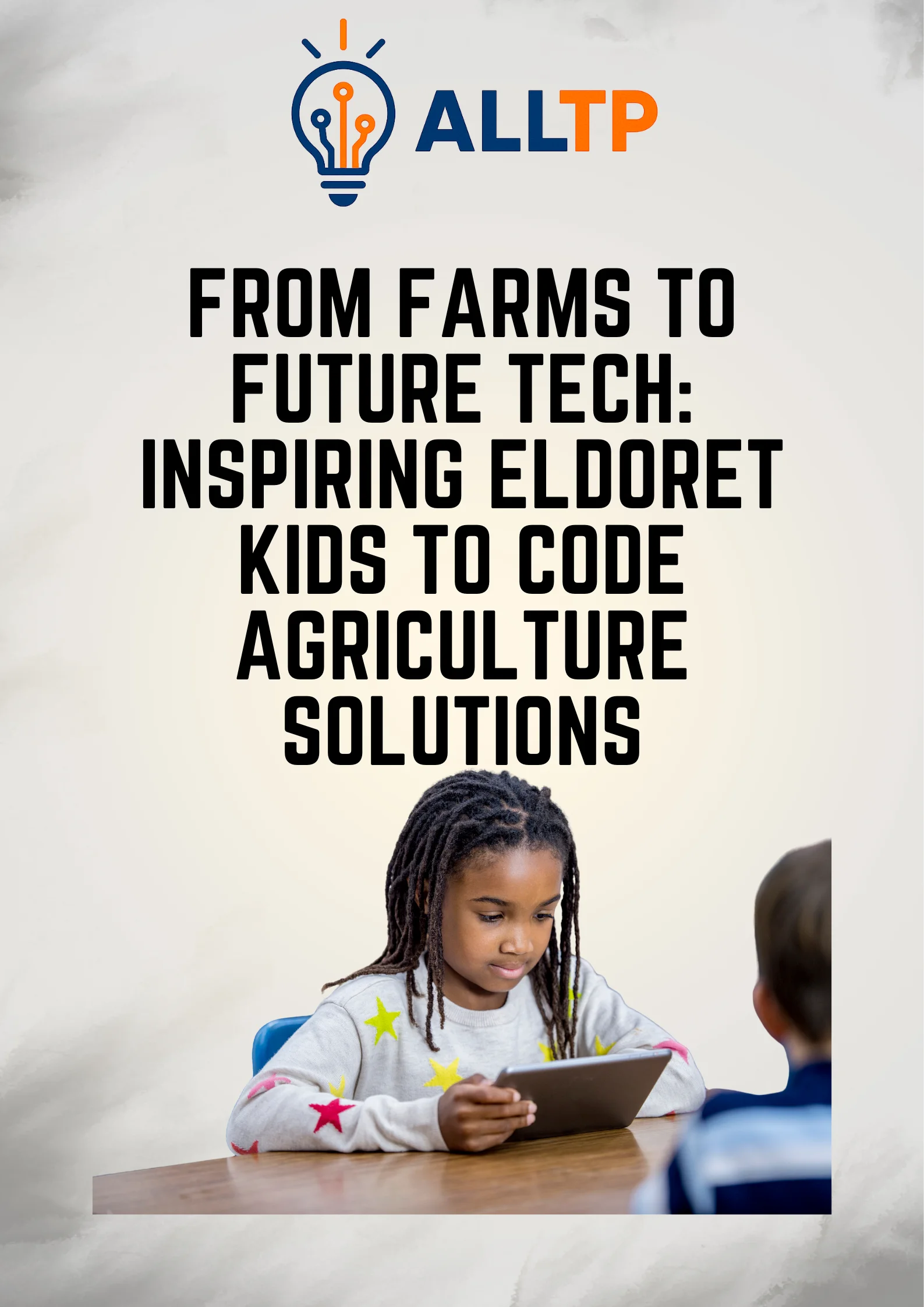
 Eldoret, famously known as Kenya’s “City of Champions,” is celebrated worldwide for producing top athletes, but beyond its running tracks lies another kind of potential waiting to be unleashed. The region’s fertile lands make it one of the country’s most productive agricultural zones, feeding communities and driving local economies.
Yet, as the world moves toward digital innovation, a quiet transformation is beginning to take root in Eldoret, one where laptops and code join hands with hoes and plows. Teaching kids in Eldoret to code isn’t just about introducing them to computers. It’s about equipping them with tools to reimagine agriculture.Blending tradition with tech, young learners create smart farming solutions, shaping Kenya’s sustainable agricultural future .
For parents and schools exploring where to begin, check out Coding Schools in Kenya to find programs nurturing young tech minds across the country.Don’t let your child fall behind in the digital age. The world is changing faster than ever, and the skills that matter most are no longer just reading and writing, they’re coding and creating. With a coding for kids program, your child will gain the tools to thrive in tomorrow’s world. Enroll them today and give them the confidence to shape their own digital future.
The digital revolution won’t wait, why should your child? Begin their journey in our kids coding program and claim their free coding class immediately!
The Changing Face of Agriculture in Eldoret
For decades, Eldoret has been the breadbasket of Kenya’s Rift Valley, a region where rolling green fields of maize, wheat, and dairy farms define both livelihood and identity. Agriculture is not just a source of income here; it’s a way of life that sustains families, fuels local markets, and anchors the town’s economy. From smallholder farmers to large-scale producers, the rhythm of planting and harvest has long shaped the heartbeat of Eldoret.
However, the landscape of farming is changing fast. Local farmers today face new challenges that threaten their productivity and profitability. Unpredictable weather patterns linked to climate change make it difficult to plan planting seasons.
Rising input costs and pest infestations reduce yields, while limited access to broader markets often means farmers earn less than they deserve for their hard work. The result is a growing realization that traditional farming methods alone may not be enough to sustain future generations.
Enter AgriTech, the fusion of agriculture and technology. Around the world, innovations such as precision farming, data-driven irrigation, and mobile-based farm management tools are transforming how people grow and distribute food.
In Kenya too, AgriTech is gaining momentum, empowering farmers with information and automation. For Eldoret, this shift represents a golden opportunity, a chance to combine its rich agricultural heritage with the power of technology to build a smarter, more resilient future.
Why Teach Kids to Code Agriculture Solutions
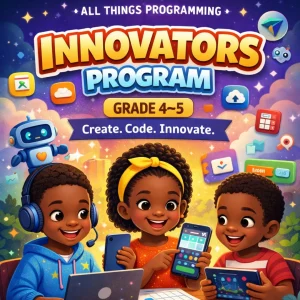 In today’s digital world, coding has become more than a technical skill, it’s a new language of creativity and problem-solving. When kids in Eldoret learn to code, they don’t just learn how to type commands into a computer; they learn how to think critically, approach problems systematically, and design innovative solutions. These are the very skills that can transform how communities approach farming and food production.
By introducing coding early, educators can help children connect classroom learning to real-life agricultural challenges they see every day. Imagine a student who writes a simple program to track rainfall for their family’s maize farm or designs an app to alert farmers about market prices. Coding turns abstract school lessons in math, science, and logic into tangible tools for change, empowering kids to apply what they learn in meaningful, practical ways.
This approach also aligns perfectly with Kenya’s Digital Economy Blueprint and the Competency-Based Curriculum (CBC), both of which emphasize digital literacy, innovation, and hands-on learning. Teaching coding within the context of agriculture ensures that young learners are not only keeping up with global trends but also building solutions that directly impact their local communities.
As discussed in Why Coding Should Be in Every Kenyan Primary School, introducing coding at a young age nurtures curiosity, creativity, and confidence, all essential qualities for solving real-world challenges like those found in agriculture.
Most importantly, coding can reshape how young people view farming. Instead of seeing it as outdated or labor-intensive, they begin to see agriculture as a high-tech, innovative field full of potential, where drones, apps, and smart sensors can make a real difference. By nurturing this mindset early, Eldoret can inspire a new generation of “digital farmers” ready to combine technology and tradition for a sustainable future.
Practical Ways Eldoret Kids Can Apply Coding in Agriculture
Teaching coding to kids in Eldoret becomes even more meaningful when they can see how their skills solve real problems in their community. With creativity, curiosity, and the right guidance, children can build simple yet powerful solutions that make farming smarter, more efficient, and more profitable. Here are some exciting ways they can apply coding in agriculture:
1. Weather Tracking Apps
Unpredictable weather remains one of the biggest challenges for farmers in Eldoret. Kids can learn to code basic applications that collect and display weather data, helping farmers plan planting and harvesting schedules. By integrating free weather APIs, young programmers can create tools that send rainfall or drought alerts straight to a farmer’s phone.
2. Smart Irrigation Systems
With microcontrollers like Arduino or Raspberry Pi, children can code systems that automatically water crops when the soil gets dry. These smart irrigation projects teach them how sensors, coding, and simple electronics work together to conserve water and increase crop yields.
3. Farm Management Platforms
Eldoret kids can also build user-friendly web or mobile platforms to help farmers track crop cycles, record sales, and manage farm expenses. Such platforms can simplify record-keeping, reduce waste, and give farmers data-driven insights into their operations. While giving young learners valuable experience in app development.
4. Drone and Robotics Projects
Introducing kids to basic robotics and drone programming opens up exciting possibilities. Drones can monitor large farms, take aerial photos, and even detect crop health issues using simple coded instructions. Robotics projects help learners see how technology can make large-scale farming more efficient and sustainable.
5. Market Access Platforms
Finally, kids can develop coding projects that connect farmers directly to buyers. Simple e-commerce or SMS-based apps can help local farmers sell their produce without middlemen, ensuring better prices and fresher food for consumers. These platforms not only empower farmers but also teach kids how technology drives entrepreneurship and fair trade.
Through these hands-on projects, coding becomes more than just computer lessons, it becomes a bridge between innovation and everyday life. Eldoret’s young coders can grow up to be the tech minds who help revolutionize Kenya’s agriculture from the ground up.
How Schools and Communities Can Support
For Eldoret to nurture the next generation of AgriTech innovators, schools and communities must work hand in hand to create an environment where coding thrives. When teachers, parents, local institutions, and businesses unite around a shared goal, empowering kids to solve agricultural challenges. Through technology, the impact can be transformative.
1. Integrating Coding Clubs and Hackathons Focused on Agriculture
Schools can establish after-school coding clubs where students learn programming through real-world agricultural projects. Hosting themed hackathons, for example, “Code for Crops” or “Smart Farm Challenge”, allows learners to work in teams. Brainstorm creative solutions, and present prototypes that address local farming problems. These interactive experiences make learning fun and purposeful.
2. Partnering with Local Universities and Tech Hubs
Eldoret’s institutions, such as Moi University and nearby innovation hubs, can play a vital role by offering mentorship, workshops, and resources. University students or tech enthusiasts can volunteer to guide younger learners, helping them explore coding tools. Data analysis, and basic IoT (Internet of Things) concepts for agriculture. Such partnerships ensure continuity from school-level curiosity to professional innovation.
3. Encouraging Parents and Teachers to View Coding as a Life Skill
Parents and teachers are key influencers in shaping children’s attitudes toward learning. By understanding that coding is not just for tech professionals but a valuable life skill, they can encourage children to pursue it with confidence. Simple gestures, like providing access to computers, praising effort, or linking lessons to farming, can greatly motivate young learners.
4. Collaboration with County Government and Agribusinesses
County leaders and local agribusinesses can also drive this movement. By funding community programs, offering prizes for innovation challenges, and supporting digital learning initiatives in schools. Mentorship programs where professionals share real-world experiences can inspire kids to see themselves as future problem-solvers.
When schools and communities unite around coding education, Eldoret’s children gain more than digital skills. They gain a sense of purpose and possibility. Together, they can transform local farms into fields of innovation and position Eldoret as a model for how rural regions can grow through technology.
Pilot Programs
Across Kenya, young learners are already proving that age is no barrier to innovation, especially when it comes to blending technology and agriculture. These stories highlight what’s possible when curiosity meets opportunity, and how Eldoret’s youth can follow in similar footsteps.
1. Young Innovators Leading the Way
In various parts of Kenya, students have begun developing creative AgriTech projects to support farmers. For example, a group of high school students in Nyeri designed a mobile app that alerts farmers about pest outbreaks and offers solutions using local resources.
In Nakuru, a robotics club created an automated irrigation system that saves water and increases efficiency on small farms. These projects show that when given access to tools and mentorship, young people can design solutions that truly make a difference.
2. A Story of Inspiration: From Classroom to Crop Field
Take the story of Linet, a 14-year-old student from Uasin Gishu County. She built a soil‑moisture alert program with a microcontroller after learning coding basics in school . What began as a school project soon became a useful household tool, one that sparked her dream of becoming an agricultural engineer.
3. Local Efforts in Eldoret to Promote Youth Tech Learning
Eldoret is already witnessing small but growing efforts to connect technology with education. Local tech communities and hubs, such as EldoHub and TechBridge Invest, have started offering youth-centered programs that teach digital skills, entrepreneurship, and innovation.
Schools partnering with these initiatives can expose students to real-world challenges and inspire them to develop AgriTech solutions tailored to local needs.
These stories prove that with the right encouragement, even the youngest learners can turn ideas into impact. By supporting similar programs in Eldoret, the community can nurture a new generation of tech-minded agricultural innovators, ready to lead Kenya’s next green revolution.
The Future Impact
Imagine an Eldoret where young minds fluent in both farming and coding lead the next wave of agricultural innovation. These “digital farmers” would not only plant seeds in the soil but also write code that helps those seeds thrive. Creating a future where technology and cultivation work hand in hand. By empowering children today, Eldoret can build a generation ready to transform local challenges into smart, sustainable solutions.
The long-term benefits of this transformation are immense. Food security would improve as farmers use data to make better decisions about planting, irrigation, and harvesting. Innovation would flourish as new startups emerge, creating tools and apps tailored for smallholder farmers.
Local job creation would follow naturally, with opportunities in software development, AgriTech entrepreneurship, and digital extension services. What begins in school computer labs could ultimately power entire agricultural ecosystems.
Eldoret is uniquely positioned to lead this movement. With its strong agricultural heritage, growing education sector, and access to local universities like Moi University, it has all the ingredients to become Kenya’s AgriTech innovation hub.
Conclusion
Eldoret stands at the crossroads of tradition and transformation, where fertile farms meet a fast-growing tech culture. By teaching kids to code, the community is not just nurturing future programmers but cultivating problem-solvers who can reimagine agriculture for a new era. Every moment counts. Your child’s digital future starts here, join a kids coding program and grab a free coding class while it’s still available!
Young learners use tech to build weather apps and smart irrigation, making farming smarter, sustainable, and rewarding. With continued support from schools, parents, and local institutions. These young innovators can turn Eldoret into a living example of how coding can power progress from the ground up .