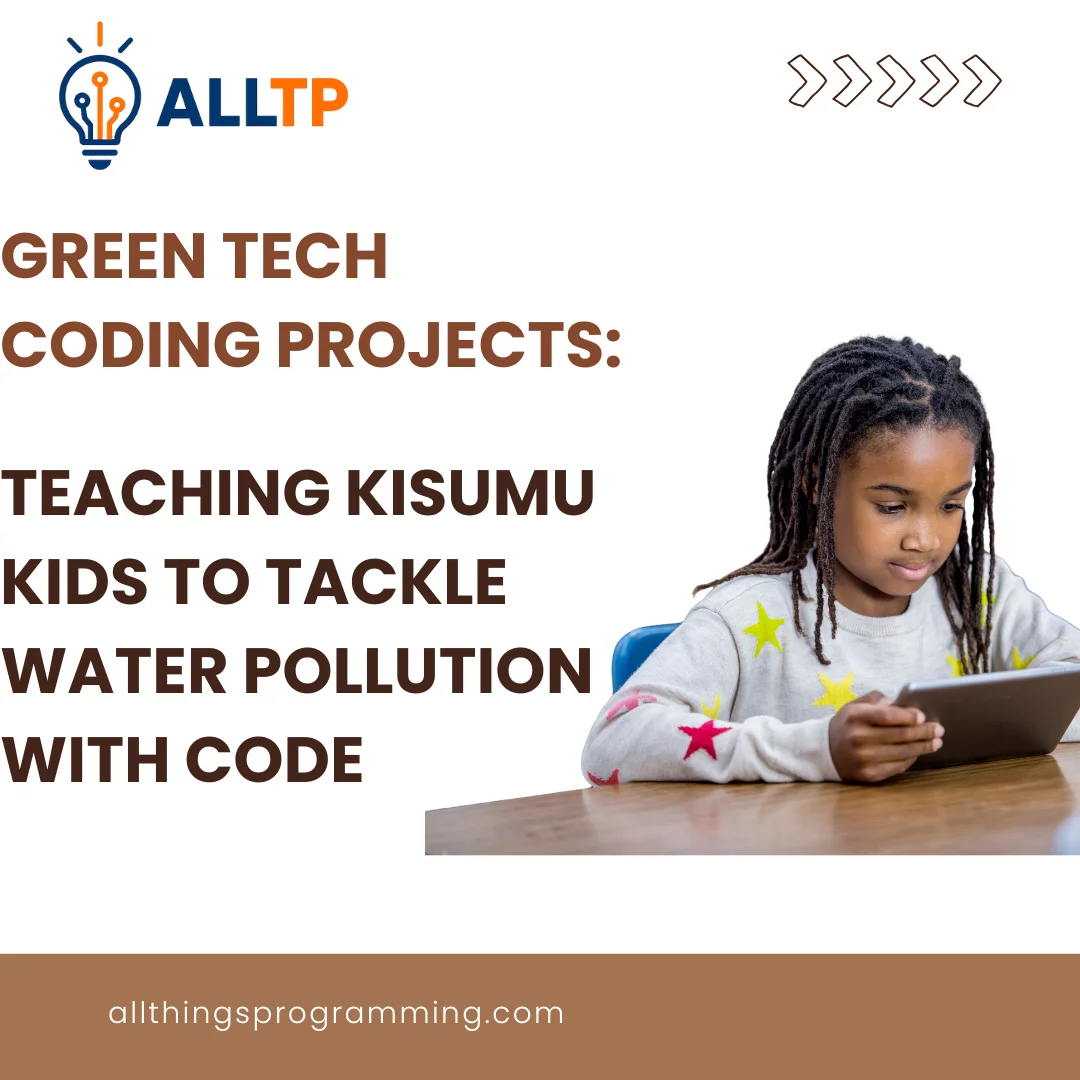
 Kisumu, Kenya’s third-largest city, faces growing environmental challenges, with water pollution in Lake Victoria being one of the most pressing. Plastic waste, industrial discharge, and poor waste management have severely affected the lake’s ecosystem, threatening fish populations, local livelihoods, and community health.
But amid these challenges lies an opportunity: technology and coding can empower young minds to create innovative, local solutions. By teaching kids how to use code to analyze, track, and reduce pollution, we can inspire a generation of problem solvers who think critically about sustainability.
Every moment counts when it comes to preparing your child for success. Technology is advancing at lightning speed, and the opportunities of tomorrow will belong to those who understand it. Our coding for kids program is the gateway to that future. Secure their place today and give them the chance to lead, innovate, and thrive in the digital world.
This is where the concept of “Green Tech Coding Projects” comes in, blending environmental education with digital skills. Through hands-on coding activities focused on real issues like water cleanliness, waste reduction, and conservation, students learn not just to code, but to code for change. The future belongs to those who can code. Give your child the gift of tomorrow start with our kids coding program and secure their free coding class.
The goal of this article is to show how coding education can empower Kisumu’s youth to protect their environment, turning classrooms into innovation hubs that help restore the health of Lake Victoria and promote a cleaner, greener future for all.
Understanding the Problem: Water Pollution in Kisumu
Lake Victoria, Africa’s largest freshwater lake, is a lifeline for Kisumu’s residents, providing fish, water, and livelihoods. However, over the years, water pollution has become a serious threat to both the ecosystem and the people who depend on it.
One of the main causes is plastic waste, which often ends up in the lake from homes, markets, and drainage systems. Plastic bottles, bags, and packaging materials clog waterways and harm aquatic life. Industrial runoff from nearby factories adds another layer of pollution, introducing harmful chemicals and heavy metals into the water. Additionally, poor waste management and untreated sewage further degrade water quality, making it unsafe for domestic use or fishing.
The effects ripple across the community. Polluted water contributes to the spread of diseases like cholera and typhoid, endangers fish species that support the local fishing industry, and discourages tourism along the lake’s once-beautiful shores.
Addressing these challenges requires more than cleanup efforts; it demands education and innovation. Teaching environmental protection early helps young people understand how their actions impact nature and encourages them to develop creative solutions. By integrating sustainability lessons into coding and science education, Kisumu can nurture a generation of eco-conscious innovators ready to safeguard Lake Victoria for the future.
Why Teach Green Tech Coding to Kids?
Coding is more than just a technical skill; it’s a way of thinking, solving problems, and creating solutions. When kids learn to code, they practice logical reasoning, pattern recognition, and step-by-step problem-solving. These skills help them break down complex challenges, like water pollution, into smaller, manageable parts that can be addressed through innovation.
In the context of environmental issues, coding becomes a powerful tool. Students can build apps that track water quality, design sensors that detect pollution levels, or create data dashboards that visualize waste collection in their communities. Through such projects, they don’t just learn how to program; they learn how to apply technology for positive, real-world impact.
Around the world, there’s a growing movement toward eco-coding and tech for sustainability. From climate data visualization projects to apps promoting recycling, young coders everywhere are using their skills to protect the planet.
Kisumu’s youth can be part of this global wave of changemakers. By combining their creativity with coding, they can develop local solutions tailored to the region’s unique environmental challenges, helping to clean Lake Victoria, improve waste management, and inspire others to care for the environment through innovation.
Examples of Green Tech Coding Projects for Kids
When kids combine creativity with coding, they can build powerful tools that make a real difference in their communities. Here are a few beginner-friendly green tech projects that Kisumu students can explore to tackle water pollution and promote sustainability:
1. Water Quality Tracker App
Students can develop a simple mobile or web app that records and displays water quality data from sensors or community surveys. The app can track indicators like pH levels, turbidity, or litter reports, helping users visualize pollution trends in Lake Victoria and nearby rivers. This project introduces kids to data collection and visualization, encouraging scientific thinking through code.
2. Plastic Waste Detection Using AI (Intro-Level)
With basic machine learning tools, students can learn how computers identify images, training a simple model to recognize plastic waste near water sources. This project teaches the fundamentals of artificial intelligence while raising awareness about littering and waste management.
3. Community Clean-Up Tracker Website
In this project, kids design a web platform where volunteers can log community clean-up events, upload before-and-after photos, and map pollution hotspots. The website encourages collaboration and environmental accountability, while giving learners hands-on experience with HTML, CSS, and JavaScript.
4. Smart Water Usage Monitor
Using devices like Arduino or micro:bit, kids can create a system that tracks water usage in schools or homes. The monitor can display alerts when water is wasted and offer tips for saving it. This practical, hardware-based project connects coding with real-world action and promotes responsible water use.
Each of these projects helps students understand that technology isn’t just about games or apps; it’s a powerful tool for environmental change. By coding for sustainability, Kisumu’s young innovators can become the digital guardians of Lake Victoria’s future.
For schools interested in integrating such creative projects, here’s a helpful guide: How Kenyan Schools Can Integrate Coding Into Their Curriculum Without Hiring Extra Staff
Tools and Programs to Support Learning
To make green tech projects a reality, students need the right tools and guidance. Fortunately, there are several beginner-friendly coding platforms and programs that make it easy for kids in Kisumu to start coding for sustainability.
Beginner-Friendly Coding Tools
- Scratch: A visual coding platform ideal for beginners. Kids can drag and drop code blocks to create games, animations, and interactive stories about water conservation or pollution awareness.
- MIT App Inventor: Enables students to build simple mobile apps without advanced coding knowledge, perfect for creating tools like water quality trackers or clean-up reporting apps.
- micro:bit: A small programmable device that introduces kids to physical computing. They can design sensors that monitor temperature, humidity, or water levels in nearby streams.
- Arduino: For older or more advanced learners, Arduino allows hands-on coding projects that combine software and hardware, such as smart irrigation systems or water usage monitors.
Programs Supporting Coding Education
Several organizations are making it easier for schools in Kenya to integrate coding into their learning systems.
- All Things Programming helps schools introduce coding education through structured lessons, mentorship, and practical tech projects that can easily include environmental themes.
- Code.org provides free online resources and tutorials to teach coding basics to students of all ages.
- Africa Code Week runs annual coding events and workshops across the continent, encouraging digital creativity among young learners.
Teachers can integrate environmental topics into their lessons using such programs. For step-by-step guidance, see How Our Coding Program Works: Step-by-Step Guide for Kenyan School Administrators
Integrating Sustainability into Coding Lessons
Teachers and mentors can easily weave environmental awareness into everyday coding lessons. For example, a Scratch animation can tell a story about water pollution, while an App Inventor project can collect environmental data. 
By linking each coding activity to a sustainability challenge, like waste reduction or clean water, students learn that coding is not just about technology, but about creating solutions for a better planet. With the right mix of tools, mentorship, and purpose-driven learning, Kisumu’s schools can nurture a generation of green tech innovators ready to use code to protect their environment.
How Schools and Communities Can Get Involved
Building a culture of green innovation in Kisumu starts with collaboration between schools, families, and the wider community. When everyone plays a role, coding for sustainability becomes more than a classroom activity; it becomes a community movement for environmental change.
1. Start Green Tech Clubs or Weekend Coding Challenges
Schools can launch green tech clubs where students meet weekly to learn coding, discuss local environmental issues, and build simple tech solutions. These clubs can host weekend coding challenges focused on solving real problems, like reducing plastic waste or tracking water quality in the neighborhood.
Teachers can guide the projects, while inviting guest mentors from local universities or tech hubs to inspire creativity and teamwork.
2. Collaborate with Environmental Groups and Tech Hubs
Partnerships are powerful. Schools can work with local environmental organizations to identify real challenges that students can address through coding projects. Collaborating with Kisumu’s tech hubs, such as LakeHub or local innovation spaces, provides access to equipment, mentorship, and networking opportunities. These collaborations give students hands-on exposure to how technology is applied in the real world.
3. Encourage Parental Involvement and Community Awareness
Parents play a key role in sustaining these initiatives. They can support their children by providing access to computers, helping them attend workshops, or even volunteering during school coding events. Community awareness campaigns can highlight how kids’ coding projects contribute to cleaner water, greener spaces, and healthier living, turning environmental protection into a shared family and community goal.
By uniting educators, parents, and local organizations, Kisumu can nurture a thriving ecosystem where young learners grow into eco-conscious innovators, using technology not just to build apps, but to build a better, cleaner city.
Conclusion
Kisumu’s journey toward a cleaner, more sustainable future begins with its young minds. By introducing green tech coding projects, schools can equip students with both the technical skills and the environmental awareness needed to protect Lake Victoria and their communities.
When kids learn to code real-world solutions, like water pollution, waste management, or water use, they gain confidence and creativity. Coding helps them think critically and take responsibility for their environment.
They soon realize that technology isn’t just about screens and apps. It’s a tool for solving challenges that affect people and the planet. Your child’s future is too important to delay. Unlock their potential with our kids coding program register now for a free coding class before it’s gone!
With help from teachers, parents, and local partners, Kisumu can raise a new generation of innovators. These young coders will use technology for good. Together, they can turn coding into a force for environmental change. The future of Lake Victoria depends not only on clean water but also on their bright ideas.