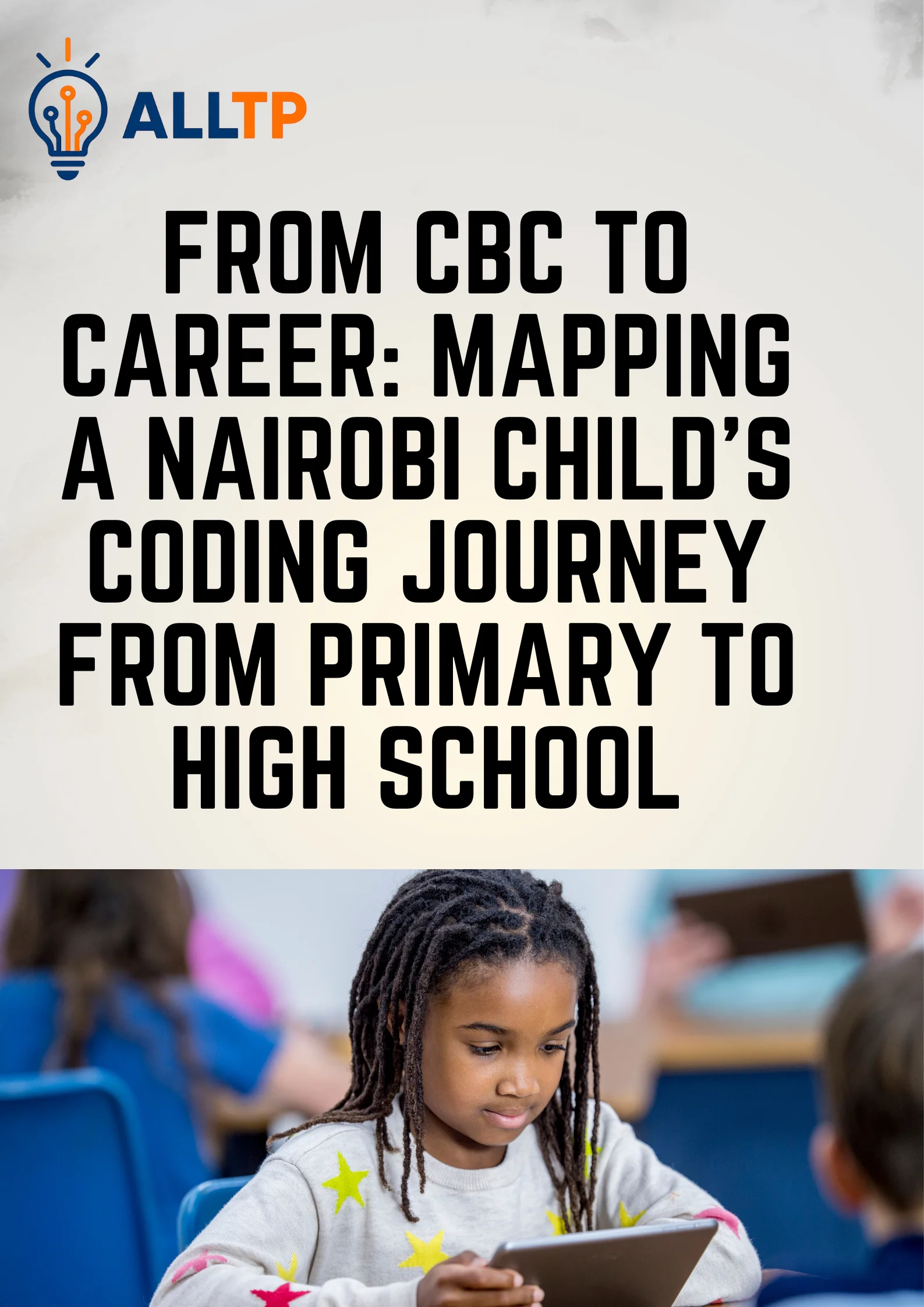

Kenya’s Competency-Based Curriculum (CBC) was designed to move away from rote learning and emphasize practical skills, creativity, and innovation. Under this new approach, learners are encouraged to explore their individual talents and apply classroom knowledge to real-world problems. One of the most exciting additions to this framework is the integration of digital literacy and coding, preparing young learners to thrive in an increasingly technology-driven world through coding-for-kids programs.
In Nairobi, often called the heart of Kenya’s “Silicon Savannah,” coding is no longer a niche activity for tech enthusiasts. It’s becoming an essential skill that empowers children to think logically, solve problems, and express creativity through technology. Whether they’re building their first game in Scratch or experimenting with simple robotics, Nairobi’s children are learning to turn curiosity into innovation through a free coding class.
This article maps out how a child in Nairobi can grow from learning basic coding concepts in primary school to mastering advanced digital skills in high school, following the CBC pathway. It explores how schools, parents, and local tech initiatives can work together to guide young learners from their first line of code to a potential tech career in Kenya’s vibrant digital economy.
Early Exposure: Coding in Primary School under CBC
The Competency-Based Curriculum (CBC) lays the foundation for coding by introducing learners to digital literacy, problem-solving, and project-based learning from an early age. Instead of memorizing facts, children are encouraged to create, explore, and collaborate, skills that align perfectly with the logic and creativity required in programming.
Through practical lessons, CBC helps learners understand how technology works and how it can be used to solve everyday problems.
Experts recommend introducing coding to children as early as ages 6 to 12, when their curiosity and imagination are at their peak. At this stage, the goal isn’t to teach complex programming languages but to nurture computational thinking through visual, game-based platforms like Scratch and Blockly.
These tools allow children to create animations, stories, and games by dragging and dropping code blocks, turning learning into play. Introducing coding this way helps children grasp digital logic early, as discussed in How Kids Can Create Their First Game with Scratch.
In Nairobi, several initiatives are bringing this vision to life. All Things Programming, for instance, focuses on introducing young learners to coding through fun, interactive workshops that align with CBC objectives. Similarly, Kids Comp Camp and Coding Kenya provide accessible learning environments where children can explore coding, robotics, and digital creativity outside the traditional classroom.
Some Nairobi primary schools have even integrated coding clubs and mini-competitions into their co-curricular activities. These clubs encourage teamwork, innovation, and a sense of achievement as learners showcase their projects, whether they’re simple animated stories or games built from scratch.
By the end of primary school, these experiences give children the confidence to view coding not just as a school subject, but as a tool for creativity and future opportunity.
Nurturing Coding Skills in Upper Primary and Junior Secondary
As learners progress into upper primary and junior secondary (Grades 7–9) under Kenya’s Competency-Based Curriculum (CBC), the focus shifts from basic digital literacy to computational thinking and problem-solving through technology.
At this stage, students begin to understand not just how to use digital tools, but how to create technology-driven solutions. CBC encourages them to engage in project-based learning, where they design apps, interactive stories, or simple games to address real-life community challenges.
Nairobi schools are increasingly complementing classroom learning with extracurricular coding opportunities. Weekend and holiday programs, such as coding bootcamps, robotics clubs, and tech innovation camps, provide students with hands-on experience and exposure to modern technologies, including robotics, web development, and artificial intelligence.
These programs not only build technical skills but also foster teamwork, leadership, and creativity, core values of the CBC. Many educators emphasize the importance of introducing coding early to build confidence and creativity, an idea explored in Why Kenyan Kids Should Learn Coding Early.
Parents and mentors also play a crucial role during this transition period. Supporting children in practicing coding at home with free online resources such as Scratch, Code.org, and Tynker helps reinforce what they learn at school. This home-school connection keeps learners motivated and allows them to experiment with projects at their own pace.
By the end of junior secondary, students who have been consistently exposed to coding are often confident enough to identify areas of interest, whether that’s game design, web development, or robotics. This stage lays the groundwork for more advanced learning and career exploration in high school and beyond.
High School Pathways: Turning Passion into Career Preparation
 By the time learners reach high school, coding has evolved from a fun learning activity into a career-shaping skill. Nairobi’s high schools are increasingly recognizing this by offering elective subjects such as ICT and Computer Studies, which expose students to real programming languages like HTML, CSS, Python, and JavaScript.
Beyond the classroom, many schools now host innovation clubs and coding competitions, where students collaborate on projects that address real social and environmental issues.
High school is also the perfect stage for learners to gain hands-on experience through real-world projects. Many Nairobi teens are building websites, mobile apps, or digital tools that solve community challenges, from school management systems to apps for local businesses. Participation in hackathons and innovation challenges helps them showcase their creativity, sharpen problem-solving skills, and connect with mentors in the tech ecosystem.
Teachers and parents play a key role in this stage by guiding learners to see how coding connects to STEM careers, entrepreneurship, and future job opportunities. A student who loves art, for example, might explore web design or digital animation, while one who enjoys logic might pursue data science or software engineering. Encouraging exploration helps learners align their coding skills with personal passions and emerging career trends.
Beyond school walls, Nairobi offers a thriving tech ecosystem that bridges the gap between learning and industry. Spaces like iHub, LakeHub, and Nairobi Garage host mentorship programs, youth-focused bootcamps, and internship opportunities that connect high school students to professional developers and entrepreneurs.
These partnerships give learners invaluable exposure to the tech world and help them visualize a clear path from coding as a school subject to a lifelong career in coding.
The Role of Nairobi’s Tech Ecosystem
Nairobi proudly stands at the center of Kenya’s digital revolution, often referred to as “Silicon Savannah.” The city’s vibrant mix of startups, innovation hubs, and digital learning programs creates a unique environment where young people can grow their coding skills beyond the classroom. For students passionate about technology, this ecosystem provides real access to mentors, internships, and competitions that make coding feel relevant and exciting.
Through a variety of local programs and partnerships, students are getting hands-on exposure to how technology drives change. Many organizations in Nairobi now collaborate with schools to host coding workshops, mentorship sessions, and innovation challenges that bridge the gap between learning and real-world application.
These experiences not only build technical proficiency but also nurture entrepreneurial thinking, helping learners see how a single idea can turn into a scalable startup.
Several youth-led tech projects have already emerged from Nairobi schools and coding clubs. From simple apps that improve school communication to digital platforms tackling environmental and social issues, these projects show the power of combining creativity with coding. They also demonstrate that age is no barrier to innovation, just curiosity and persistence.
With so many training centers and coding programs available, students have plenty of opportunities to continue learning after school hours. These programs provide advanced skills and mentorship, preparing young coders for Kenya’s growing demand for digital talent.
Nairobi’s tech ecosystem is more than just a backdrop; it’s a launchpad for young innovators, offering a glimpse into the possibilities that coding can unlock. As this network continues to expand, it’s helping nurture a generation of creators who will shape Kenya’s digital future.
From School Projects to Career Opportunities
Early exposure to coding under the CBC does more than teach technical skills; it shapes how learners think, create, and solve problems. Children who start coding young develop strong critical thinking and innovation skills, learning to break challenges into smaller steps and to design creative digital solutions. These skills extend far beyond the computer screen, influencing how they approach everyday life, academics, and teamwork.
As students advance, these foundational skills open doors to diverse career paths in Kenya’s fast-growing digital economy. From software development and web design to data analysis, cybersecurity, and digital entrepreneurship, coding offers countless opportunities for young people to apply their creativity and analytical skills.
Many Nairobi youth are already turning class projects into business ideas, building apps, freelancing as web designers, or launching online platforms that serve real community needs.
Nairobi’s unique position as a national tech hub gives its students an extra advantage. The city offers access to advanced infrastructure, mentors, innovation hubs, and startup accelerators, making it easier for learners to grow their skills and connect with professionals. This ecosystem helps transform classroom learning into practical experience, allowing students to see how coding directly contributes to Kenya’s broader technological growth.
The long-term vision is clear: to nurture a generation of tech-savvy Nairobi youth capable of driving innovation and strengthening Kenya’s position in the global digital economy. Through consistent support from schools, parents, and tech partners, today’s coding students could become tomorrow’s leading developers, entrepreneurs, and digital creators, powering the future of Kenya’s “Silicon Savannah.”
Building the Next Generation of Innovators
Kenya’s Competency-Based Curriculum (CBC) has opened the door for a new era of learning, one that values creativity, problem-solving, and digital fluency. In Nairobi, this vision is coming to life as children begin their coding journey in primary school, grow through junior secondary programs, and explore career-ready skills in high school.
From playful lessons in Scratch to hands-on app development projects, each stage builds the foundation for a future filled with opportunity. With the support of parents, teachers, and community programs like All Things Programming, learners gain the confidence to turn ideas into innovation.
To conclude, as Nairobi continues to strengthen its position as Kenya’s tech capital, the city’s young coders are not just learning to use technology; they’re learning to shape it. By nurturing coding from an early age, we can empower a generation ready to build, lead, and transform Kenya’s digital future, one line of code at a time, through a free coding class.