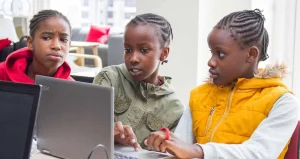
Mombasa, Kenya’s coastal jewel, is a city rich in Swahili culture, a beautiful blend of African, Arab, and Persian influences reflected in its art, storytelling, music, and traditions. From the rhythmic beats of taarab to the colorful kanga fabrics and the timeless folktales told in Kiswahili, creativity runs deep in the heart of this historic city.
Today, as technology becomes part of everyday life, there’s a growing opportunity to blend these cultural treasures with the power of coding. Through creative coding projects, children in Mombasa can learn to tell digital stories inspired by Swahili heritage, design art-based animations, and even build apps that celebrate their coastal identity. Technology is a growing part of society, don’t wait, enroll your child in a free coding class to secure their future.
Coding doesn’t just teach logical thinking; it gives young learners a new way to express who they are and where they come from.
Local programs such as All Things Programming are at the forefront of this transformation. By offering engaging, hands-on coding for kids lessons, they are empowering the next generation of digital creators in Mombasa. These initiatives are not only teaching valuable tech skills but also helping children preserve and modernize their culture, one line of code at a time.
Why Blending Culture and Coding Matters
 Blending culture and coding is about more than just teaching children how to use computers; it’s about helping them see technology as a tool for creativity and self-expression. When kids in Mombasa learn to code, they’re not only developing valuable digital skills; they’re also discovering new ways to celebrate and share their Swahili identity with the world.
Coding encourages creativity and problem-solving, two traits that naturally align with Mombasa’s artistic and innovative spirit. Whether designing patterns inspired by kanga fabrics or creating interactive tales from local folklore, children learn to think critically, experiment, and bring their ideas to life. Every project becomes a canvas where tradition meets technology.
Equally important is the idea of digital storytelling and cultural preservation. Many Swahili folktales, songs, and customs risk being forgotten in the digital age. By using technology, children can record, animate, and program these stories into websites, games, or mobile apps, keeping them alive for future generations.
In Mombasa, community-based programs and schools play a vital role in this movement. Initiatives like All Things Programming and local coding clubs are making technology education accessible and engaging for young learners.
By introducing coding in culturally relevant ways, these programs are ensuring that every child, regardless of background, has the chance to learn, create, and innovate while staying connected to their roots.
Inspiring Project Ideas for Kids
One of the most exciting ways to engage children in coding is by connecting it with what they already know and love, their own culture. For kids in Mombasa, this means using code to celebrate the beauty, rhythm, and stories of Swahili life. Here are some fun and practical project ideas that merge technology with heritage:
a) Digital Swahili Storybooks
Kids can use beginner-friendly platforms like Scratch or basic HTML and CSS to create animated folktales told in Kiswahili. These digital storybooks can feature characters from popular tales such as Sungura na Fisi or Simba na Panya, complete with narration and visual effects.
This project not only strengthens language and storytelling skills but also introduces children to coding concepts like sequencing, loops, and animation. It’s a creative way to keep Swahili oral traditions alive through modern technology.
If you’d like to guide your child in building their own story-based or adventure game, check out How Kids Can Create Their First Game with Scratch for step-by-step ideas.
b) Swahili Art and Pattern Generators
Mombasa’s visual culture, from kanga patterns to coastal carvings, provides perfect inspiration for coding-based art. Using JavaScript or Python Turtle, kids can design programs that generate colorful geometric patterns inspired by traditional Swahili designs.
Through this, they learn key programming principles such as loops, variables, and symmetry, while also exploring geometry and color theory. The result? Digital art that reflects both creativity and culture.
c) Coastal Music Remix Apps
Music is at the heart of Swahili culture, especially genres like taarab and chakacha. Kids can use platforms such as Thunkable or MIT App Inventor to build small remix apps that let users mix traditional beats with modern sounds.
This kind of project shows how coding can bridge tradition and innovation, allowing young learners to appreciate local music while exploring sound programming and user interface design.
d) Mombasa Heritage Game
Imagine a simple, fun game where players explore landmarks like Fort Jesus, Old Town, or Haller Park, solving mini-puzzles and learning history along the way. Kids can design such a game using Scratch or Unity (for advanced learners).
The project helps them understand game development basics, characters, movement, scoring, and storytelling, while deepening their knowledge of Mombasa’s cultural and historical treasures.
By combining coding with Swahili culture, children not only gain valuable tech skills but also develop pride in their roots. These creative projects prove that the future of technology in Mombasa can be built on a foundation of rich cultural identity and imagination.
Platforms and Tools Kids Can Use
Getting started with coding doesn’t require expensive software or complex tools, just curiosity, creativity, and the right learning platforms. For Mombasa kids interested in blending technology with Swahili culture, the following platforms offer fun, beginner-friendly ways to learn and create:
All Things Programming
 Among local programs, All Things Programming stands out as one of the best for young learners in Kenya. It offers hands-on, creative coding lessons designed to make programming relatable and fun. By integrating cultural themes into their teaching, they inspire Mombasa kids to see technology as a way to express creativity and celebrate Swahili identity.
Scratch
Perfect for beginners, Scratch uses drag-and-drop coding blocks that make programming easy and visual. Kids can use it to create animated stories, games, and interactive art inspired by Swahili folktales or local heritage. It’s a great first step into the world of coding because it helps learners think like programmers while having fun.
Thunkable / MIT App Inventor
For those curious about mobile technology, Thunkable and MIT App Inventor let kids build simple Android apps without needing advanced coding skills. They can design Swahili vocabulary apps, local music remix tools, or Mombasa heritage quiz games, all while learning real-world app development concepts.
Tynker or Code.org
Both Tynker and Code.org offer structured lessons and gamified challenges that make learning coding exciting. These platforms teach kids essential programming concepts step by step. They’re especially great for guided learning and can be used both at home and in school settings.
With these tools, children can turn their ideas into digital creations, from animated folktales to apps and games that honor their culture. The goal is not just to teach coding, but to empower Mombasa’s youth to become storytellers, designers, and innovators of their own future.
For parents wondering why early exposure to these platforms matters, you can read Why Kenyan Kids Should Learn Coding Early to understand the long-term benefits.
Role of Parents and Schools
Parents and schools play a key role in helping children connect coding with their cultural roots. By creating supportive and inspiring environments, they can help Mombasa kids see coding as more than just a technical skill, but as a creative tool for cultural expression.
Encourage Children to Combine Coding with Culture
Parents and teachers can motivate kids to work on coding assignments that reflect Swahili traditions and values. For example, instead of a generic animation, a student might code a story about Hekaya za Sungura or design a digital pattern inspired by kanga art. These projects make learning more meaningful while helping children appreciate their heritage.
Schools Can Host “Culture and Code Days”
Schools in Mombasa can organize themed events where students showcase tech projects inspired by local history, art, or language. A “Culture and Code Day” could feature interactive storytelling booths, heritage-themed games, and digital art exhibitions, all created by students. Such events encourage collaboration, creativity, and community pride, showing how technology can bring culture to life.
Parents Can Showcase Kids’ Projects
Parents can help their children present their creations at local fairs, community centers, or online platforms. Sharing projects not only builds confidence but also shows kids that their work has value beyond the classroom. Posting short videos or screenshots of their digital Swahili storybooks or art apps on social media can inspire other families to explore coding too.
By working together, parents and schools can nurture a generation of culturally grounded young innovators, children who see coding not just as a path to future jobs, but as a way to tell their stories, celebrate their culture, and shape Mombasa’s digital future.
The Future of Mombasa’s Tech-Creative Generation
Integrating Swahili culture into coding is doing more than teaching kids how to use technology; it’s helping to build a unique coastal tech identity rooted in creativity, tradition, and pride. As children in Mombasa learn to blend storytelling, art, and music with programming, they’re shaping a new kind of innovation, one that reflects the spirit and heritage of the coast.
By weaving cultural themes into digital projects, Mombasa’s young coders are showing that technology doesn’t have to replace tradition; it can amplify and preserve it. Apps that teach Kiswahili proverbs, games that explore local landmarks, or music remix tools inspired by taarab rhythms all demonstrate how digital skills can keep culture alive in fresh and exciting ways.
With continued support from schools, parents, and programs like All Things Programming, Mombasa has the potential to become a cultural-tech hub, a place where innovation thrives alongside tradition. The city’s strong creative energy, coastal charm, and growing tech curiosity make it the perfect breeding ground for young digital creators.
The vision for the future is clear: a generation of Mombasa kids who are not just tech users, but tech creators, young innovators who use code to tell Swahili stories, share local beauty with the world, and build Kenya’s future through culture-driven technology.
Coding the Swahili Way
Blending Swahili culture with technology is more than just a fun learning approach; it’s a powerful way to ensure that the next generation grows up creative, confident, and culturally grounded. When Mombasa kids learn to coding for kids through the lens of their own stories, music, and art, they don’t just gain digital skills; they carry their heritage into the future.
By mixing culture and innovation, we empower children to see coding as a way to celebrate identity while solving modern challenges. Every digital storybook, heritage-inspired game, or music app they create becomes a bridge between tradition and technology.
Now is the time for schools, parents, and community organizations to come together and support cultural coding projects through a free coding class. Whether by integrating local themes into lessons, hosting cultural-tech events, or enrolling kids in programs like All Things Programming, every effort counts. Together, we can help Mombasa’s young learners code the Swahili way, proudly, creatively, and with a deep connection to their roots.