
In today’s digital age, coding has become an essential skill for children. Learning to code at a young age not only introduces kids to the language of technology but also strengthens critical thinking, problem-solving, and logical reasoning. These skills are valuable not only for a future career in tech but also for everyday decision-making and academic success.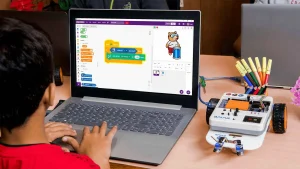
After-school coding clubs provide a structured and engaging environment where children can explore technology beyond the classroom. They foster creativity by encouraging kids to design their own games, websites, or apps. They also promote digital literacy, teamwork, and resilience, as students learn to troubleshoot problems and collaborate on projects.
Eldoret is quickly becoming a hub for educational innovation, with several coding for kids and tech programs emerging to meet the growing demand for digital skills. From local tech hubs to available options, children in Eldoret now have accessible opportunities to start their coding journey, giving them a head start in a technology-driven world.
Start your coding journey by joining our free coding class today!
Understanding What an After-School Coding Club Offers
After-school coding clubs provide children with hands-on opportunities to explore technology in a fun and interactive way. These clubs are designed to go beyond traditional classroom learning, allowing kids to engage in creative projects and develop practical skills.
In today’s digital age, coding has become an essential skill for children, helping them build problem-solving abilities, creativity, and confidence from an early age. These skills are increasingly relevant both in and outside the classroom, as highlighted in the Top 5 Benefits of Teaching Coding in Primary Schools.
Typical Activities and Projects
Children in coding clubs often work on projects such as:
Building games – learning programming logic while designing interactive games.
Creating websites or apps – understanding user interfaces and basic web development.
Simple robotics or animation projects – applying coding skills to real-world objects or digital characters.
Skills Children Develop
Joining a coding club helps children develop a variety of essential skills, including:
Logic and problem-solving – breaking down challenges into manageable steps.
Computational thinking – learning how to approach tasks like a programmer.
Teamwork and collaboration – working together on group projects and sharing ideas.
Creativity – designing unique solutions and expressing ideas through code.
Age Groups and Skill Levels
Most coding clubs cater to a wide range of ages, often starting from 6–7 years for beginners, up to teenagers with intermediate or advanced coding skills. Programs are usually structured in levels, allowing children to progress at their own pace.
Differences Between Online, Hybrid, and Physical Clubs
Physical clubs provide hands-on interaction, in-person guidance, and collaborative projects.
Online clubs offer flexibility for children to learn from home, often with video lessons, coding exercises, and virtual group activities.
Hybrid programs combine the benefits of both, giving kids access to in-person workshops while continuing learning online.
These clubs not only make coding accessible and engaging but also create a supportive environment where children can explore technology, develop new skills, and build confidence.
Researching Available Coding Clubs in Eldoret
When exploring after‑school coding options for your child in Eldoret, it’s helpful to look at a mix of local opportunities, national programs accessible from Eldoret, and online or hybrid options. Here are some great places to start your search:
Local and Nearby Coding Options
Eldohub – A community education center in Eldoret that may offer tech and digital skills programs or can connect you with local coding initiatives.
Digiskool – Locally based software and tech education company where you might find coding learning opportunities tailored for children.
Coding Clubs Kenya – Offers after‑school coding programs and tutoring services that focus on programming fundamentals, game and web development, and robotics, suitable for kids and teens.
Codetoday Unlimited and SkoolOfCode – Education centers that provide coding lessons online (accessible from anywhere) and can be great supplemental resources even if you’re in Eldoret.
Online and Hybrid Options Accessible from Eldoret
Many national and Kenya‑wide programs offer online coding classes that you can access from Eldoret:
All Things Programming – A pioneering online coding school in offering structured after-school programs for children and teens. Their curriculum focuses on building coding skills through hands-on projects, games, and app development.
CodeYetu – Provides after‑school coding classes on Saturdays, one‑on‑one virtual coding sessions, and holiday bootcamps for kids aged roughly 6–16 years
Teens Code Africa – Offers online (and sometimes in‑person) coding camps and structured weekly sessions that help kids learn practical tech skills like web development and problem‑solving.
Teckid Kenya – Online coding courses for various ages and levels, including projects in Scratch, Python, app development, and UI/UX design.
How to Compare Programs
Once you’ve identified a few options, here’s how to evaluate and compare them to find the best fit for your child:
Curriculum (Age‑Appropriate and Hands‑On)
Check if the content is suitable for your child’s age and interests (e.g., block‑based coding for beginners vs. Python for more advanced learners).
Look for programs that emphasise project‑based and practical learning, where kids build real apps, games, or websites rather than just watch lectures.
Instructor Experience and Support
Prioritize clubs with experienced instructors who are good at teaching kids and encouraging creativity.
Ask about the student–teacher ratio and how much individual support your child will receive.
Class Size and Duration
Smaller class sizes often mean more personalized attention.
Consider how long each class runs and the overall schedule, shorter, regular sessions may work better for young learners than long, infrequent ones.
Cost and Schedule Flexibility
Compare fees between programs and see what’s included (materials, certificates, project showcases).
Look at whether classes are weekend, after‑school, or holiday options, and choose one that fits your family’s calendar.
Tips for Parents Researching Options
Speak with program coordinators or attend a demo class if available; this helps you assess teaching style and environment.
Ask other parents for recommendations or experiences, especially for local Eldoret programs.
Consider starting with an online/hybrid class if a physical club isn’t yet available in your area, many offer strong support and community, even remotely.
Steps to Enroll Your Child in an After-School Coding Club
Enrolling your child in a coding club can be simple and straightforward if you follow these step-by-step guidelines.
1. Identify Your Child’s Interests and Skill Level
Determine whether your child is a beginner just starting to explore coding or has intermediate skills and wants to take on more advanced projects.
Consider their areas of interest, such as game development, web design, robotics, or app creation, to ensure the program matches what excites them.
2. Shortlist Suitable Clubs
Once you know your child’s interests and level, create a list of potential clubs.
Check practical details like location, class schedule, and whether the program is physical, online, or hybrid to find the best fit for your family.
3. Visit or Attend a Trial Session
If possible, observe a class or attend a demo session to see teaching methods in action.
Pay attention to student engagement, the learning environment, and the support provided by instructors.
4. Prepare Enrollment Requirements
Gather necessary registration documents, including forms and parental consent.
Pay any required fees or deposits to secure your child’s spot.
Check for tech requirements, such as a laptop, internet connection, or specific software, so your child can participate fully.
5. Complete Registration and Follow-Up
Finalize enrollment by confirming the class schedule, rules, and communication channels.
Stay engaged with the program by monitoring progress and attending any parent meetings or showcases.
Following these steps ensures a smooth enrollment process and sets your child up for a positive and productive experience in their coding journey.
Enrolling your child in an after-school coding club in Eldoret is a valuable investment in their future. As schools increasingly prioritize digital skills, early exposure to coding gives children a strong advantage, as highlighted in Why Every Kenyan School Needs a Coding Program in 2025.
Tips for Parents to Support Their Child
Enrolling your child in a coding club is just the first step. Parents play a crucial role in reinforcing learning and keeping children motivated. Here are some practical tips to help your child get the most out of their coding experience:
1. Encourage Consistent Practice and Project Work at Home
Support your child in practicing coding outside of club hours.
Encourage them to explore projects independently, experiment with new ideas, and apply what they’ve learned in fun ways.
2. Monitor Progress Without Adding Pressure
Keep track of your child’s achievements and challenges, but avoid turning learning into a source of stress.
Celebrate milestones, whether it’s completing a small project or mastering a new concept.
3. Engage in Coding-Related Activities or Online Resources
Introduce complementary resources such as coding games, tutorials, or online challenges to reinforce skills.
Explore interactive platforms like Scratch, Code.org, or Khan Academy, which can make learning fun and self-directed.
4. Attend Parent-Teacher or Progress Sessions if Available
Participate in meetings or showcase events organized by the club to understand your child’s learning experience.
Stay connected with instructors to provide support where needed and ensure your child is progressing effectively.
By staying involved and fostering a positive learning environment, parents can help children develop confidence, problem-solving skills, and a lifelong love for coding.
Common Questions Parents Ask
 When considering an after-school coding club, parents often have practical questions about cost, suitability, and program structure. Here are answers to some of the most common concerns:
1. How Much Does It Cost?
Fees vary depending on the program type, duration, and whether it’s online, hybrid, or in-person.
Some clubs charge per term or session, while others offer monthly subscriptions.
Be sure to check if materials, software, or project kits are included in the fee.
2. What Is the Recommended Age to Start Coding?
Many clubs accept children as young as 6–7 years, typically starting with block-based coding tools like Scratch.
Older children and teens (10–16 years) can explore text-based coding languages like Python, JavaScript, or even web development.
3. Are Certificates or Assessments Provided?
Many clubs provide certificates of completion or badges to celebrate milestones.
Assessments are often project-based, allowing children to showcase what they’ve built rather than traditional tests.
4. Can My Child Join Mid-Term or Start Online?
Some clubs offer flexible enrollment, allowing children to join mid-term, especially in online or hybrid programs.
Online options are particularly accommodating, as they often allow students to access recorded lessons and resources at their own pace.
Answering these questions can help parents make informed decisions and ensure that the coding club fits their child’s needs and schedule.
Conclusion
Enrolling your child in an after-school coding club in Eldoret is a valuable investment in their future. Coding not only equips children with essential digital skills but also fosters creativity, problem-solving, and confidence, abilities that extend far beyond the classroom.
With a growing number of local, online, and hybrid programs available, parents in Eldoret have many options to choose from. By researching clubs, understanding your child’s interests and skill level, and following the enrollment steps, you can ensure a smooth and rewarding experience through a free coding class.
Supporting your child at home, staying engaged with instructors, and encouraging hands-on projects will help them make the most of their coding journey. The sooner children start exploring technology in a structured and fun environment, the better prepared they will be to thrive in our increasingly digital world.