In today’s digital age, coding has become an essential skill, not just for adults but for children as well. Learning to code early helps kids develop critical thinking, problem-solving abilities, and creativity, laying a strong foundation for future academic and career success. Coding also encourages logical reasoning and resilience, as children learn to troubleshoot and find solutions independently.
Recognizing the value of early tech education, many coding schools in Mombasa now offer free trial classes. These trial sessions allow parents and children to explore coding in a hands-on, engaging way before committing to a full program.
This article serves as a practical guide for parents on how to book a free coding trial class for their kids in Mombasa, providing step-by-step instructions and tips to ensure the experience is both enjoyable and beneficial.
To kick start your child’s coding for kids journey, book a free coding class.
Why Enroll Your Child in a Coding Class
Enrolling your child in a coding class offers a wide range of benefits that extend beyond just learning how to write code.
1. Cognitive and Academic Benefits
Coding helps children develop critical thinking, logical reasoning, and problem-solving skills. These abilities not only improve their understanding of technology but also enhance performance in subjects like math, science, and even language arts.
2. Preparing for Future Job Opportunities
The demand for tech skills continues to grow in Kenya and globally. Early exposure to coding equips children with valuable digital skills, giving them a competitive advantage for future careers in technology, engineering, and other STEM fields.
3. Building Confidence with Technology
Coding empowers kids to create, experiment, and bring their ideas to life. As they successfully build projects or solve coding challenges, they gain confidence in their abilities and become more comfortable navigating digital tools.
4. Social Benefits: Teamwork and Collaboration
Many coding programs involve group projects, coding clubs, or interactive lessons. These activities teach children how to work collaboratively, communicate effectively, and share ideas, fostering important social skills alongside technical knowledge.
Popular Coding Schools in Mombasa Offering Free Trials
Mombasa has several coding schools and programs designed to introduce kids to programming in a fun and interactive way. Many of these schools offer free trial classes so parents can explore options before committing to a full course.
1. All Things Programming
- Offers a CBC-friendly curriculum aligned with Kenyan education standards.
- Provides online learning option.
- Focuses on practical, hands-on coding skills for children of different age groups.
2. Local Coding Clubs
- Community-based programs often held in schools, community centers, or libraries.
- Engage kids in collaborative projects and coding challenges.
- Great for children who enjoy learning in a social environment.
3. National Programs Accessible Online from Mombasa
- CodeYetu: Offers online and after-school coding sessions, one-on-one virtual lessons, and holiday bootcamps for kids aged 6–16.
- Teens Code Africa: Provides structured online coding camps, weekly lessons, and mentorship programs for young learners.
How to Choose the Right Trial Class
Not all coding for kids classes are the same, so it’s important to select a trial class that matches your child’s age, interests, and learning style. Here are key factors to consider:
1. Age-Appropriate Curriculum
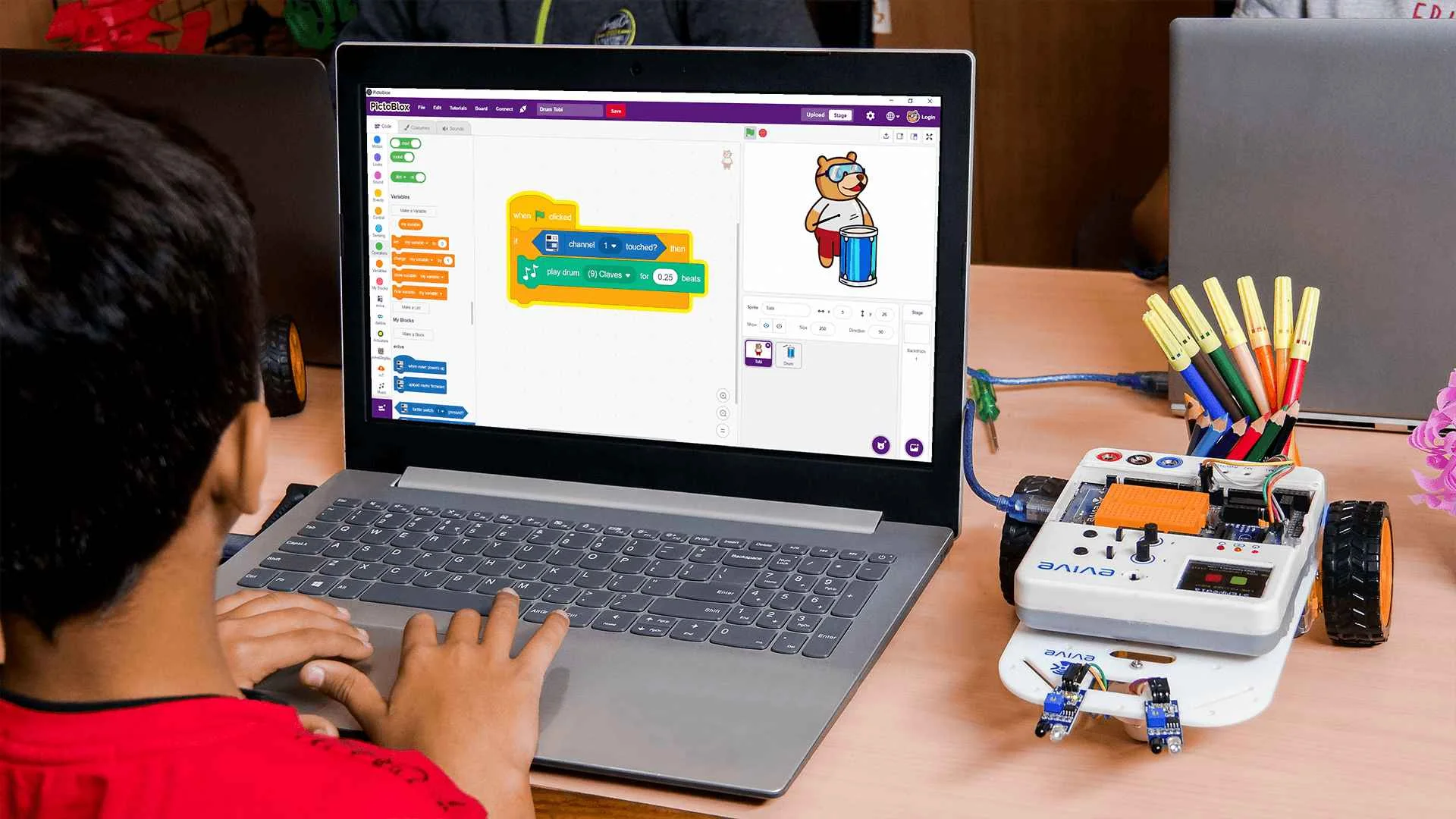
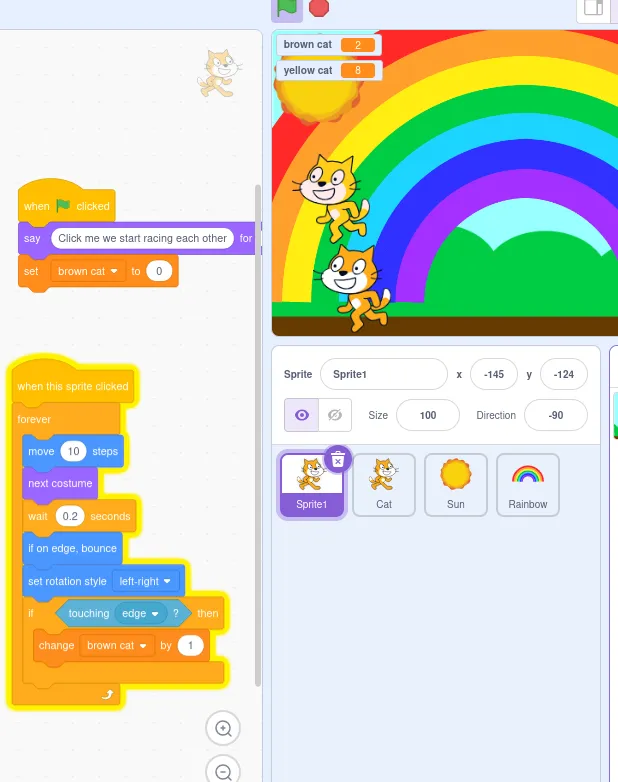
Ensure the class content suits your child’s age and skill level. Younger children may start with block-based coding (like Scratch), while older kids can handle text-based languages such as Python or JavaScript. Age-appropriate lessons make learning fun and prevent frustration.
2. Learning Format: Online, In-Person, or Hybrid
Decide whether your child will benefit more from an in-person class, online learning, or a combination of both. In-person classes offer direct interaction and hands-on guidance, while online or hybrid formats provide flexibility and access from home.
3. Class Duration and Schedule
Check the length of each session and the overall schedule. Short, engaging sessions are best for younger kids to maintain focus, while older children may handle longer sessions or weekly projects. Choose a schedule that fits your family’s routine.
4. Availability of Mentorship or Teacher Support
A good coding class provides access to instructors who can guide, answer questions, and provide feedback. Mentorship ensures your child stays motivated and can overcome challenges during the learning process.
5. Hands-On Projects and Interactivity
Look for classes that emphasize practical learning through projects, challenges, or games. Interactive activities keep kids engaged and help them apply coding concepts in real-world scenarios.
By considering these factors, parents can select a trial class that is both enjoyable and effective, setting the stage for a positive learning experience.
Step-by-Step Guide to Booking a Free Trial Class
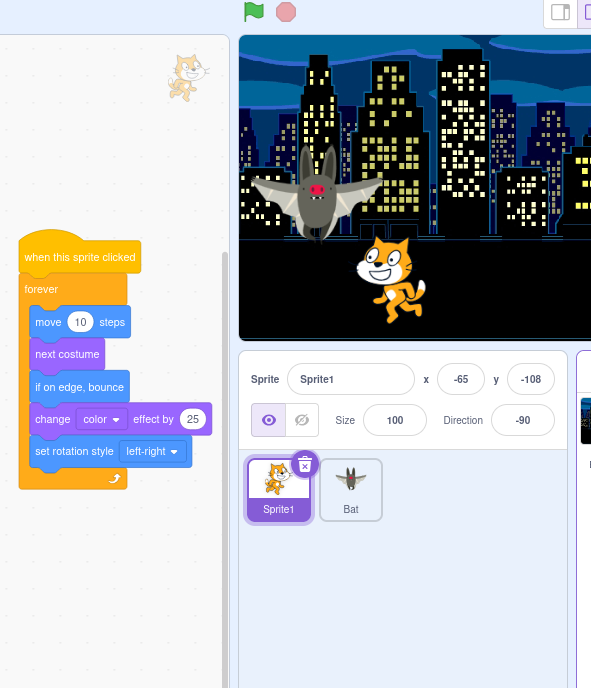
Booking a free coding trial for your child in Mombasa is simple when you follow these steps:
1. Research Schools
Start by exploring coding schools’ websites, reviews, and curriculum details. Look for programs that match your child’s age, interests, and learning style. Pay attention to class types, teaching methods, and any parent testimonials.
2. Check Eligibility
Ensure your child meets the requirements for the trial class. Confirm the appropriate age range, prior coding experience (if any), and device or software needs. Some classes may require a laptop or tablet, while others can be done on smartphones.
3. Contact the School
Reach out via phone, email, or the online registration form. Most coding schools are responsive and can guide you through the booking process.
4. Provide Necessary Details
When registering, include essential information such as your child’s full name, age, and preferred schedule. Some programs may also ask for parent contact information and any special learning considerations.
5. Confirm Registration
Once your registration is submitted, the school should send a confirmation via email, SMS, or phone call. Keep this confirmation handy for reference.
6. Prepare Your Child
Before the trial class, make sure your child has the required device, internet access (if online), and any materials recommended by the school. Encourage a positive mindset, curiosity, and readiness to explore coding concepts.
Following these steps ensures a smooth booking experience and sets your child up for a successful and enjoyable trial session.
What to Expect During a Trial Class
Understanding what happens during a trial class helps parents and children make the most of the experience. Here’s what you can typically expect:
1. Typical Class Structure
Most trial classes follow a structured yet engaging format:
- Warm-Up Activities: Quick exercises or games to get kids focused and ready to learn.
- Lesson Time: Introduction to a new coding concept or tool.
- Hands-On Exercises: Kids practice coding through interactive activities or mini-projects.
- Project Showcase: Students may present what they created, reinforcing learning and boosting confidence.
2. Duration and Attention Span Considerations
Trial classes are usually shorter than regular sessions, often 30–60 minutes, to match children’s attention spans. Younger kids may need more breaks, while older kids can handle longer, more involved sessions.
3. Interaction with Instructors and Other Kids
Children get a chance to ask questions, receive guidance from instructors, and collaborate with peers. This interaction builds communication skills and makes learning more enjoyable.
4. Opportunity to Evaluate the Learning Environment
Parents can observe whether the teaching style suits their child, how engaging the class is, and whether the learning environment feels safe and supportive. This helps in deciding whether to continue with the full program.
After the Trial Class
Once the trial session is over, it’s important to reflect on the experience and determine whether the class is the right fit for your child.
1. Assess if It’s a Good Fit
Observe your child’s engagement and enjoyment during the class. Did they seem excited to participate? Were they able to follow along and complete the activities? A positive response is a strong indicator that the program aligns with their learning style.
2. Questions to Ask
Reach out to the instructors or program coordinators to clarify any uncertainties:
- What teaching methods are used for regular classes?
- How is progress tracked and communicated to parents?
- What are the fees and schedules for full programs?
- Are there additional resources or support available if my child needs extra help?
3. Next Steps
If the trial class was a good fit, consider enrolling your child in the full program to continue developing their coding skills. If not, explore other coding schools or trial sessions that may better suit your child’s interests and learning style. Remember, the goal is to find a program that keeps your child motivated and engaged in learning.
Tips for Maximizing the Trial Experience
To make the most of a free coding trial class, parents can take a few simple steps to ensure their child benefits fully from the session:
1. Encourage Your Child to Ask Questions
Motivate your child to be curious and participate actively. Asking questions helps them understand concepts better and builds confidence in problem-solving.
2. Observe Engagement and Enjoyment
Pay attention to how your child reacts during the class. Are they excited, focused, and eager to try activities? High engagement is a good sign that the program matches their interests and learning style.
3. Take Notes for Comparison
After the trial, jot down your observations about the teaching style, class structure, and overall experience. Comparing notes across different schools can help you choose the best program for your child’s needs.
By following these tips, parents can ensure that the trial class is not only fun but also a meaningful step in their child’s coding journey.
To conclude, booking a free coding trial class is a simple and effective way to introduce your child to the world of technology. These trial sessions allow kids to explore coding in a fun, interactive environment while helping parents evaluate the best learning options.
By understanding the benefits of coding, researching suitable schools, and following the step-by-step booking process, you can ensure your child has a positive and engaging experience. Observing their participation, asking the right questions, and comparing different programs will help you choose the best path for their continued learning.
Take advantage of the free trial opportunities in Mombasa today, and give your child a head start in developing valuable tech skills that will benefit them academically, socially, and professionally in the years to come.